
Agriculture
Sentra gives a farm one picture of its gates, yards, stores and fields, on the cameras it already has, and the same picture for a group with several farms. The truck at the gate, the fuel tank at night, the humidity in the store, the fence line behind the machinery yard: one console, one inbox, and the alert on the phone of the person on duty. Footage stays on a server in the farm office or in an isolated tenant hosted by Sentra in Romania.
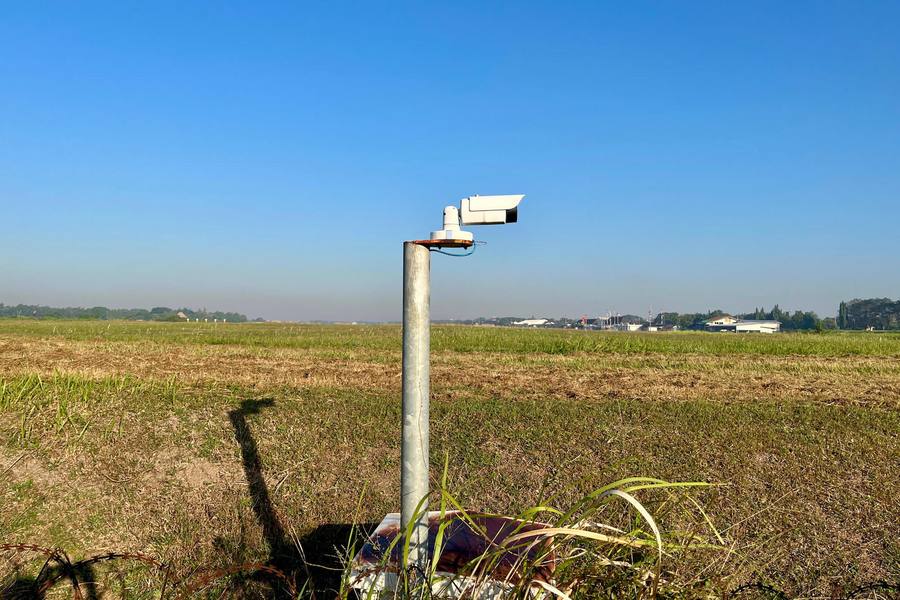
A person or a vehicle crossing a fence line after hours raises an alert with a snapshot and a clip.
Each arriving vehicle recorded and checked against a watchlist
Temperature, humidity, air quality and CO2 with thresholds, kept as a history.
Rules set once at the top; each farm runs its own cameras and people.
A harvest day on the farm
The same cameras, sensors and rules from the first shift to the night. All use cases
- 06:30Gate
The grain buyer's truck arrives. Its plate is read on the gate camera, the barrier opens for a vehicle on the list, and the visit is kept with its picture.
Access Control - 11:00Greenhouse
Humidity in the greenhouse drifts out of range. The threshold raises an alert on the manager's phone, with the readings of the last hours behind it.
Sensors - 19:00Yard
The counting line at the gate shows the trucks in and out of the harvest day, hour by hour, with the busiest hour.
Counting - 23:40Fence line
A person crosses the fence line behind the machinery yard. The alert reaches the phone of the person on duty with a snapshot and a clip.
Zones and Rules - MondayOffice
The summary of the weekend covers all three farms in a few lines, and the weekly report with the figures and the incidents arrives by email.
Reports and Audit
Several farms on one map
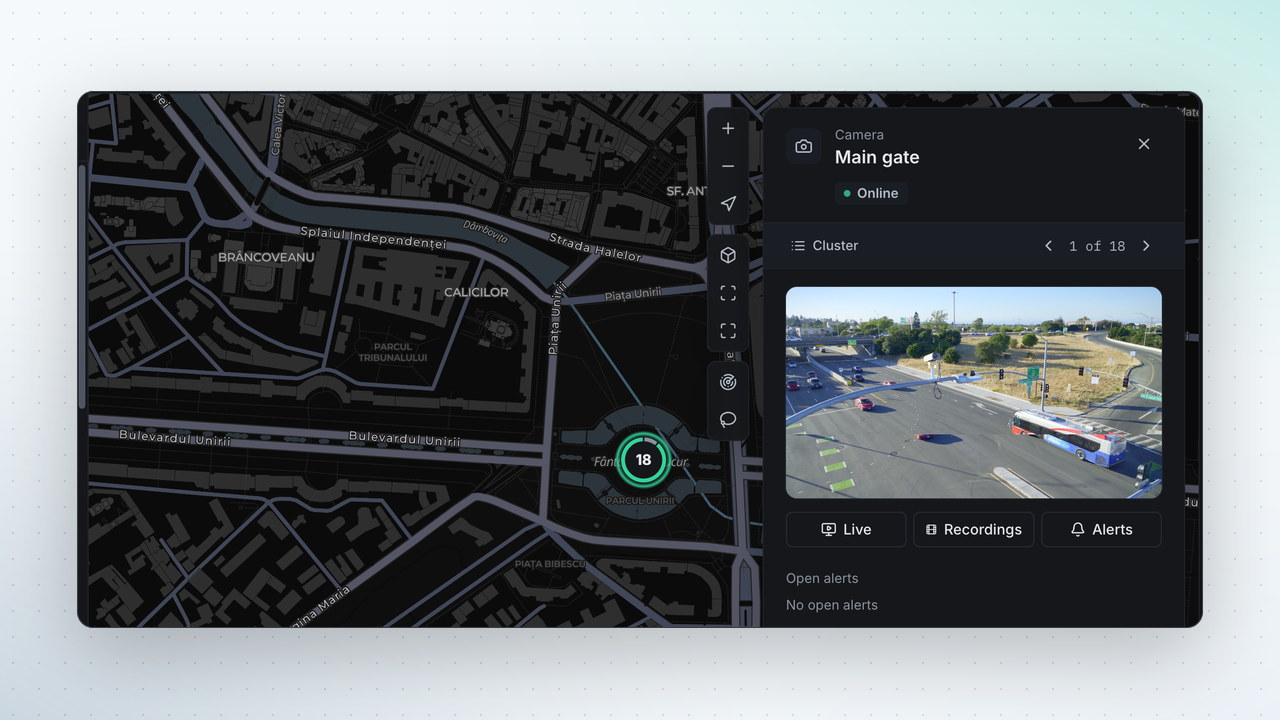
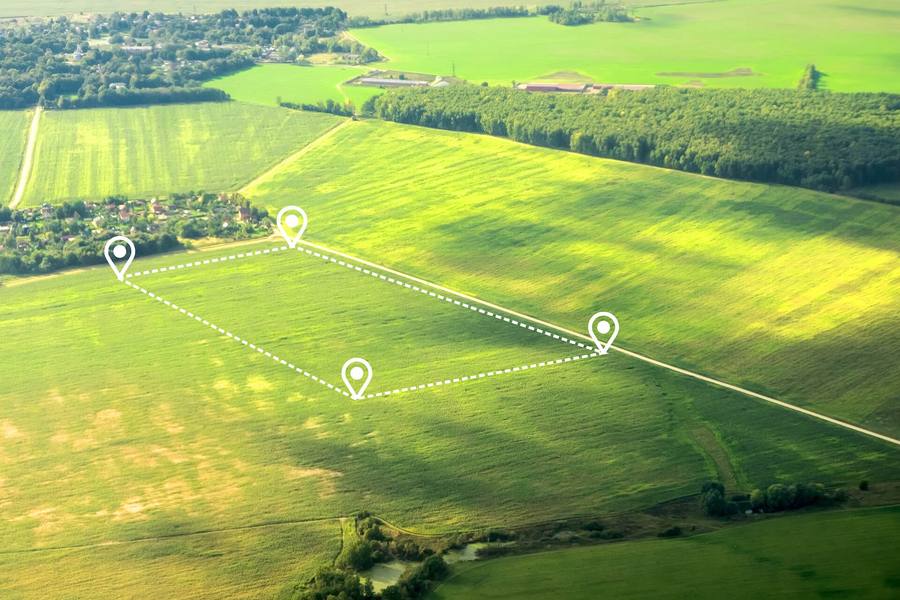
Every farm sits on one map with its cameras, sensors, barriers and recorders and the state of each: a camera that went dark overnight, a recorder whose disks are filling up, a sensor that stopped answering. A group with several farms sees them all; each farm manages its own cameras and people under one organization tree.
The last 24 hours can be replayed on the map, place by place, so a manager who was away sees where the alerts of the night were before opening a single clip.
The gate: plates, the barrier and the watchlist
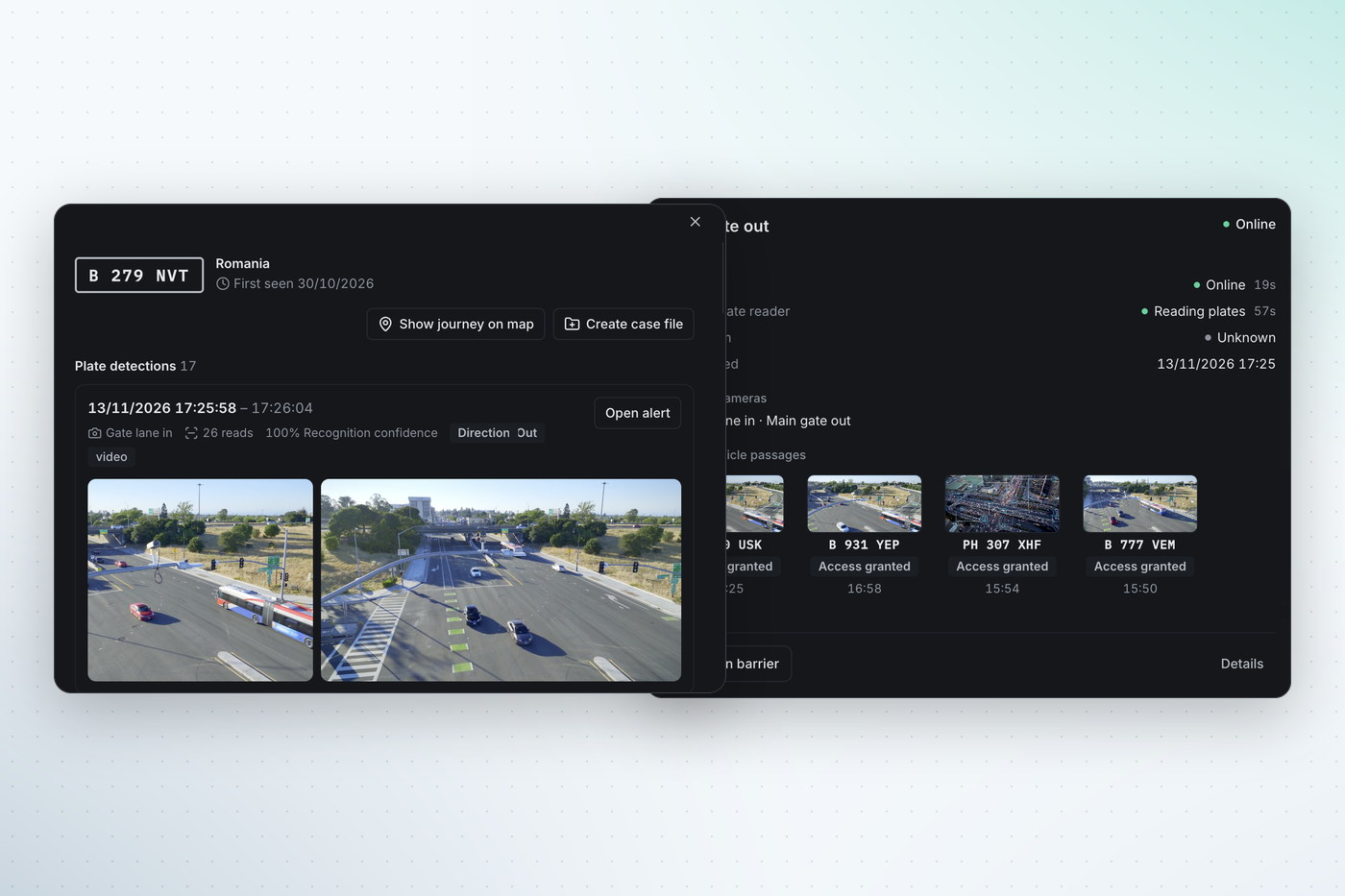
The gate camera reads the plate of every truck and keeps one record per visit with its picture. Vehicles on the list, the buyer's trucks, the contractor for the week, the vet, open the barrier without anyone walking to the gate; a plate on the watchlist raises an alert the moment it is read.
- Lists with validity dates and the entrances they open
- A denied read kept with its picture, a manual open kept with the name of the person who opened
- The plate searched later together with the color of the vehicle
The fence line, the fuel tank and the barn at night
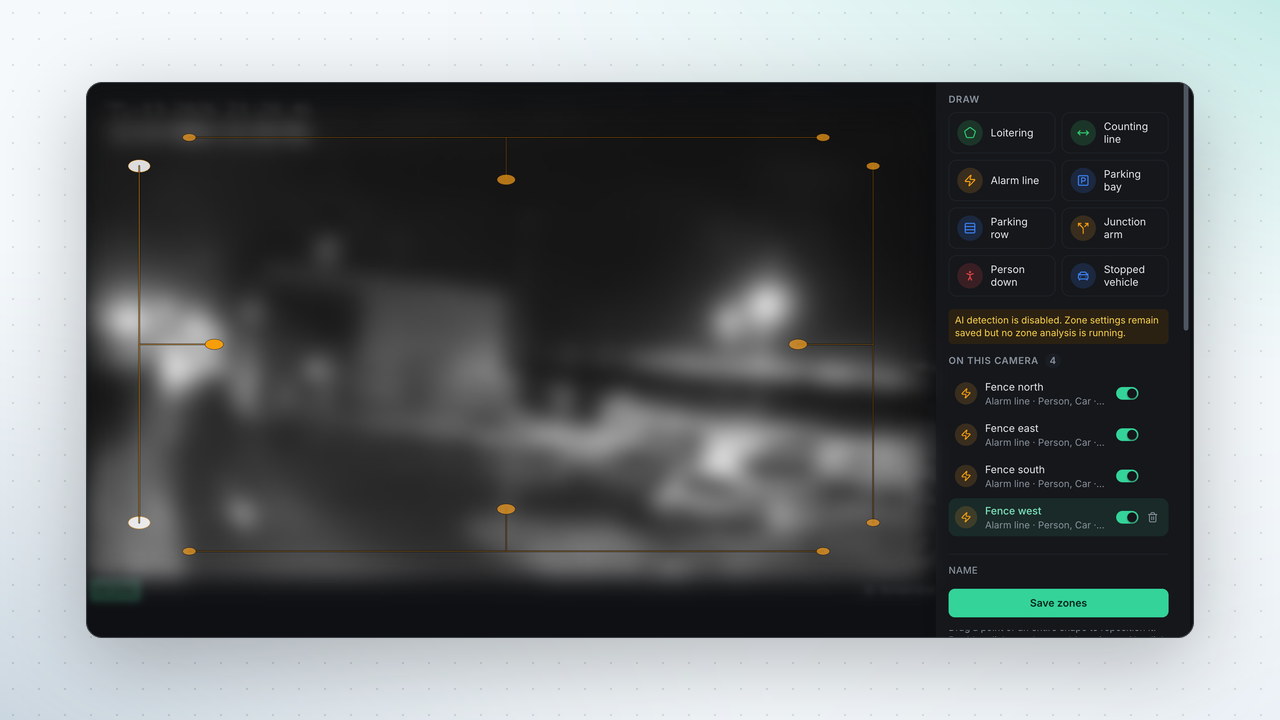
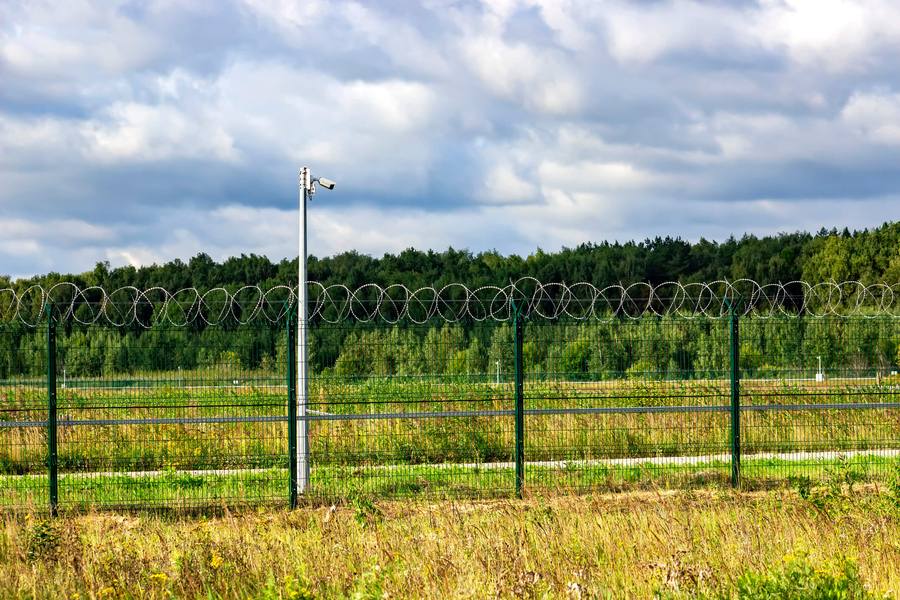
Alarm lines drawn along the fence raise an alert when a person or a vehicle crosses after dark, with a snapshot and a clip. A zone around the fuel tank or the machinery yard catches anyone who stays there longer than a fill or a pickup takes. The alert reaches the phone of the person on duty by push, email or SMS, by each person's own rules.
Movement in a barn or on a lane at night becomes an alert only for the classes switched on for that camera: a person at the barn door wakes the person on duty, the dog on the lane does not.
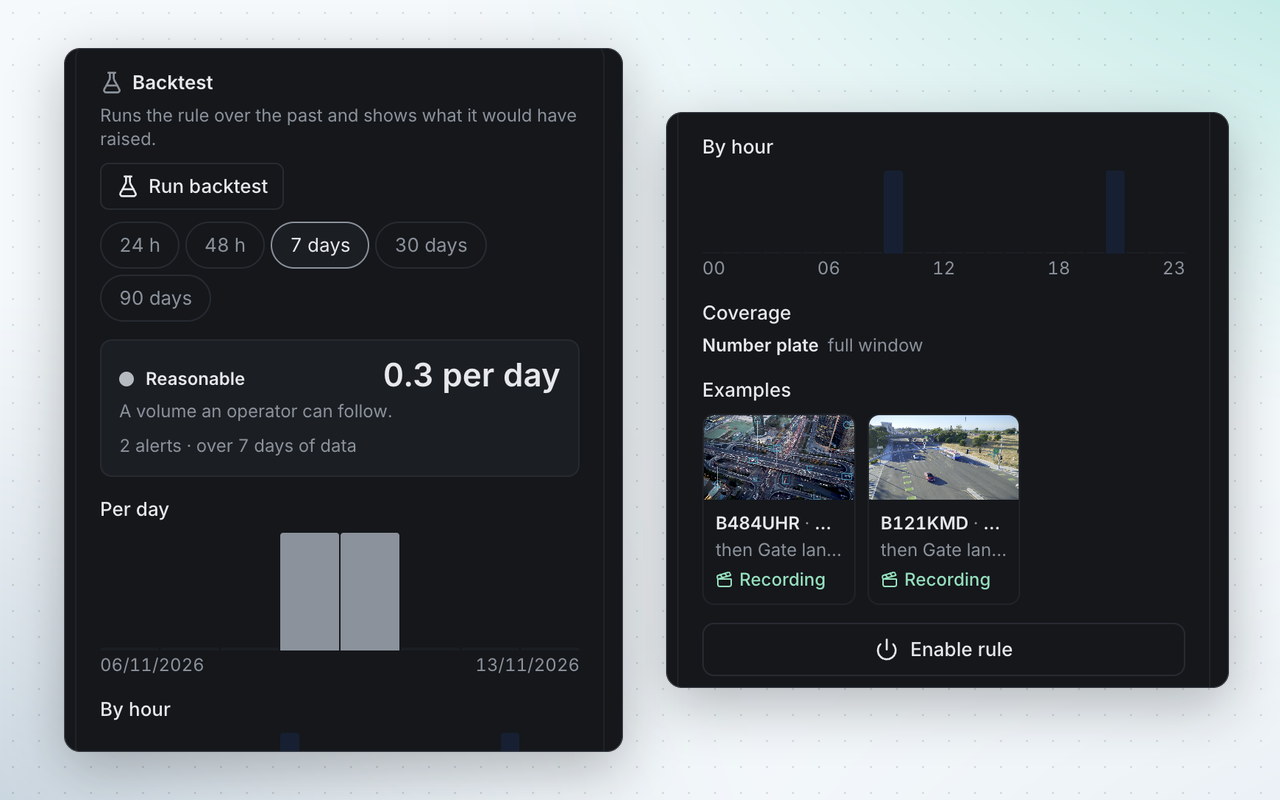
Rules for the farm, tested on last season
Smart rules tie the pieces together: a vehicle at the fuel tank for longer than a fill, the same truck at two farms within an hour, a gate left open when nobody is on site, a person on the lane after dark with no vehicle on the list behind them.
Every rule is tested on the last weeks of recordings before it is switched on. The farm sees how many alerts it would have raised and on which nights, and adjusts it before the first phone rings.
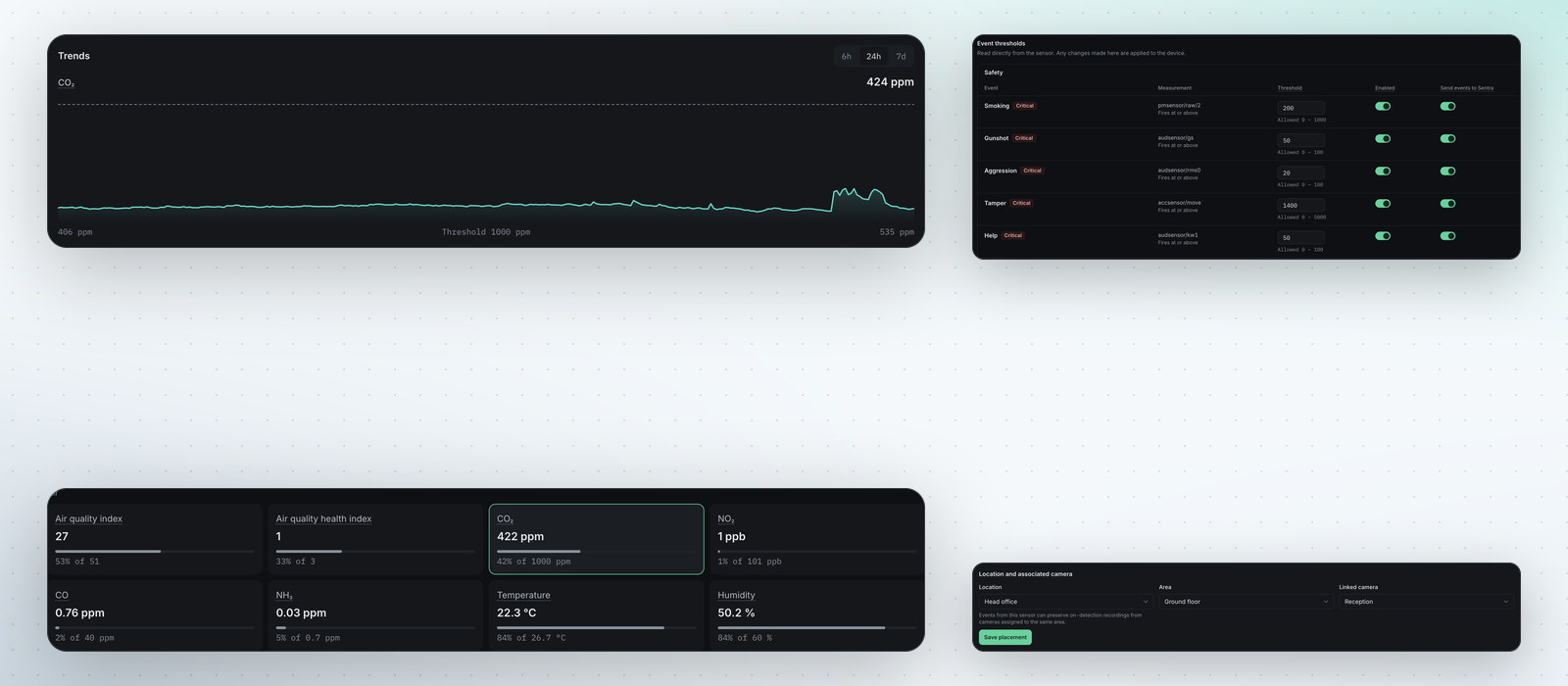
The stores and the greenhouse
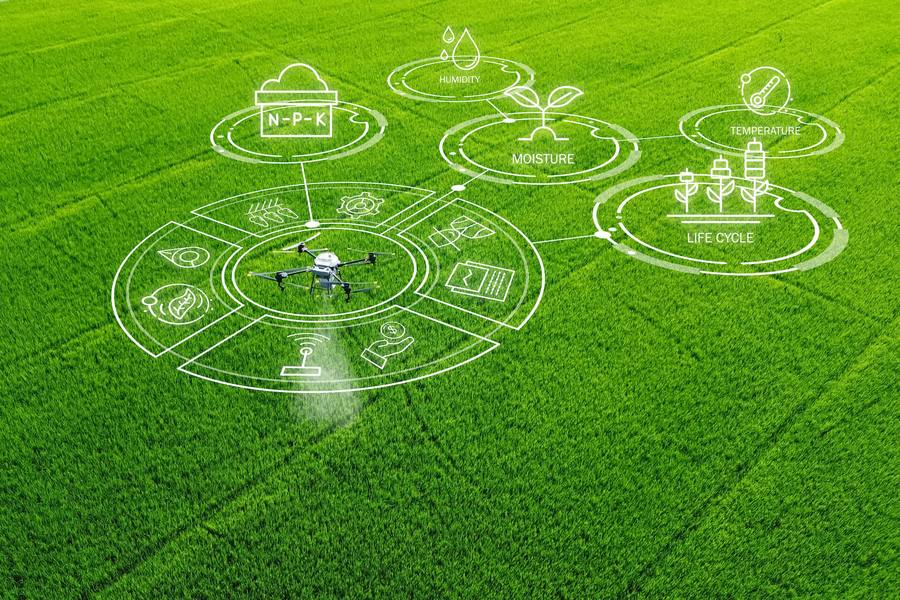
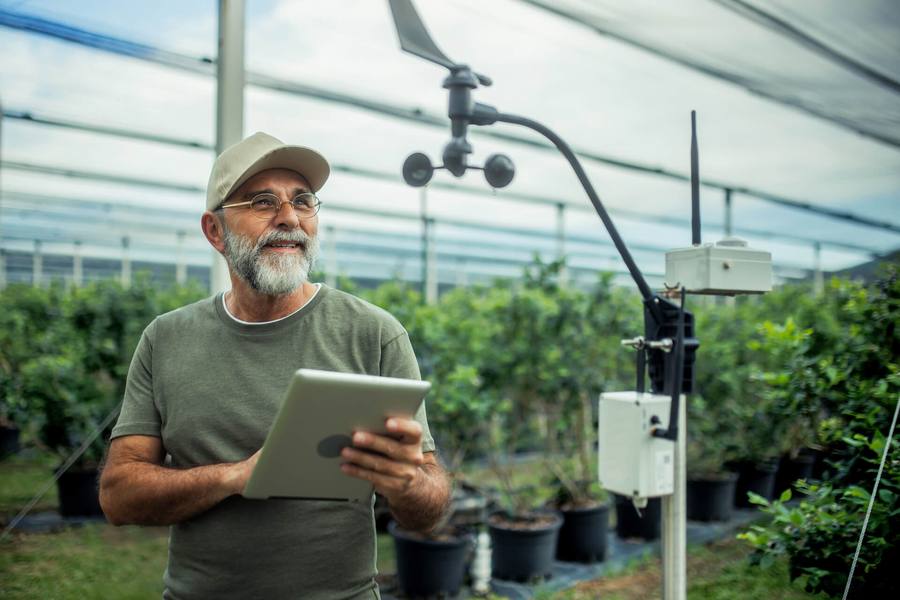
Smart environmental sensors add temperature, humidity, light, CO2 and air quality to the same console as the cameras. A threshold on the potato store, the grain silo or the greenhouse raises an alert when a reading drifts out of range, and a sensor that stops answering raises one too.
- Readings kept as a history, so a cold night or a ventilation fault is reviewed the next morning
- Where no camera is wanted, the sensor alone does the work
- The camera at the store door shows who went in around the event
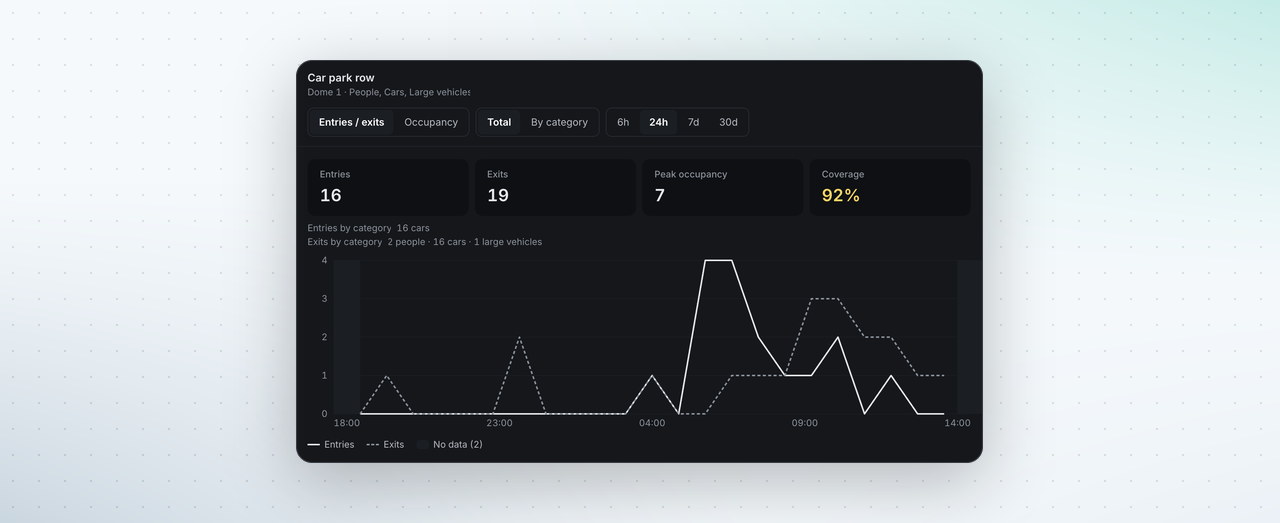
Trucks in and out at harvest
A counting line on the gate camera counts the trucks in and out, by class, with the busiest hour of the day and the number on site at any moment. The figures of the harvest go to the office as a table or in the weekly report.
A count alert warns when more vehicles are on site than the yard holds, and the counts of several farms sit on the same page for the group.
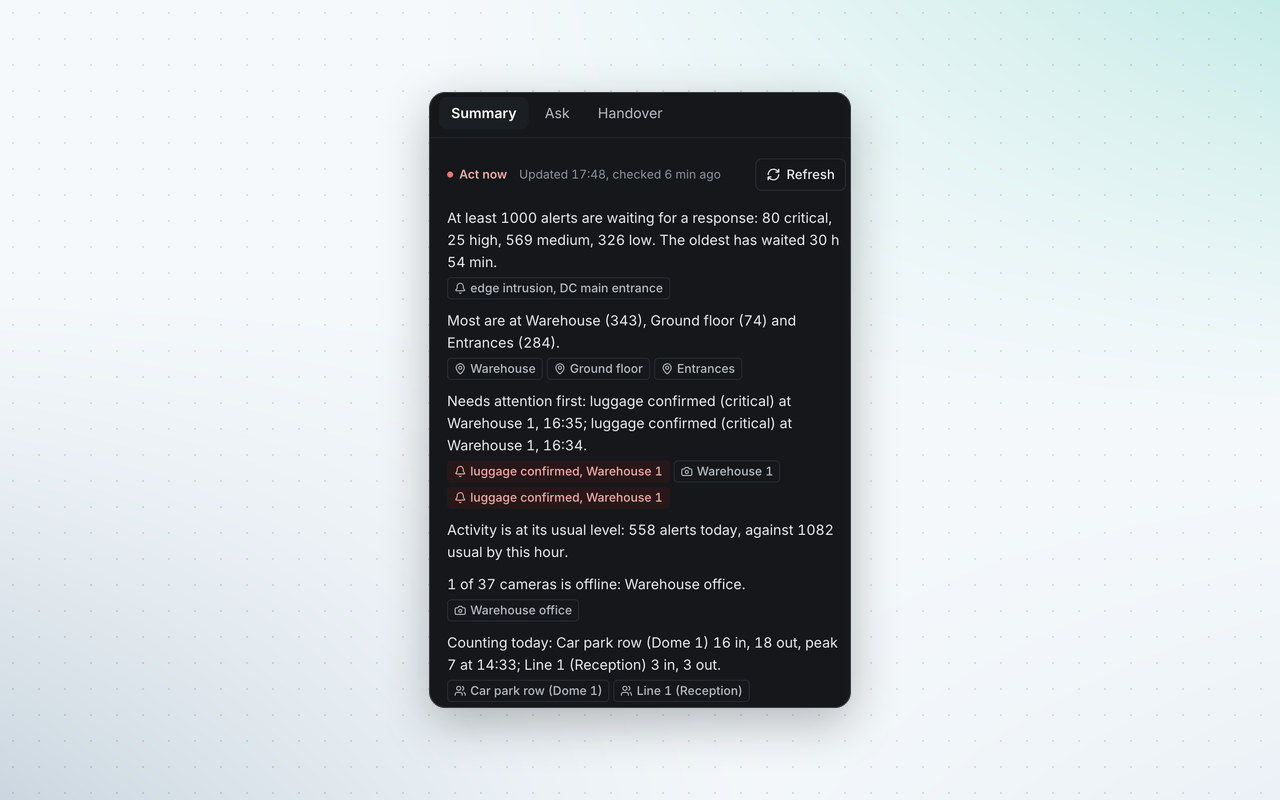
The night on the phone, the morning in a summary
There is no control room on a farm. Alerts reach the phone of the person on duty in the mobile app, with the snapshot and the clip, and critical ones must be acknowledged. In the morning the manager reads the situation summary: what happened overnight, on which farm, which cameras went down, what is still open.
Where a watchman hands over to the day staff, the platform writes the handover report and sends it by email as a PDF. Questions in plain language, such as which trucks came to the north farm on Saturday, are answered with their sources when a language model is connected.
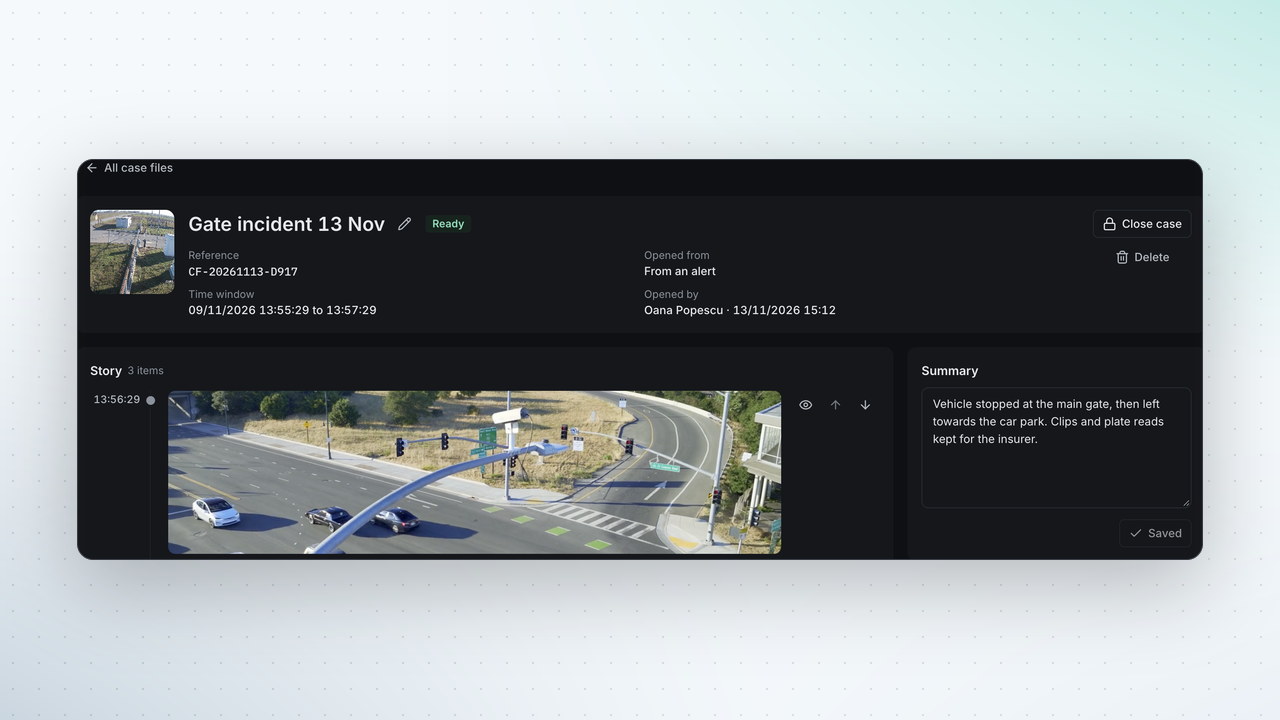
A theft: the vehicle found again, the case for the police
A fuel theft or a missing implement starts from one sighting. The vehicle is followed across the cameras of the farm and of the other farms in the group, with a clip around each stop, and the plate reads, the alerts and the sensor events of that night go into one case file in time order.
The case leaves as a signed evidence package that verifies outside the platform, for the police or the insurer, with the reason for the export recorded. Every view and export is in the audit trail, and roles limit each person to the cameras of their own farm.
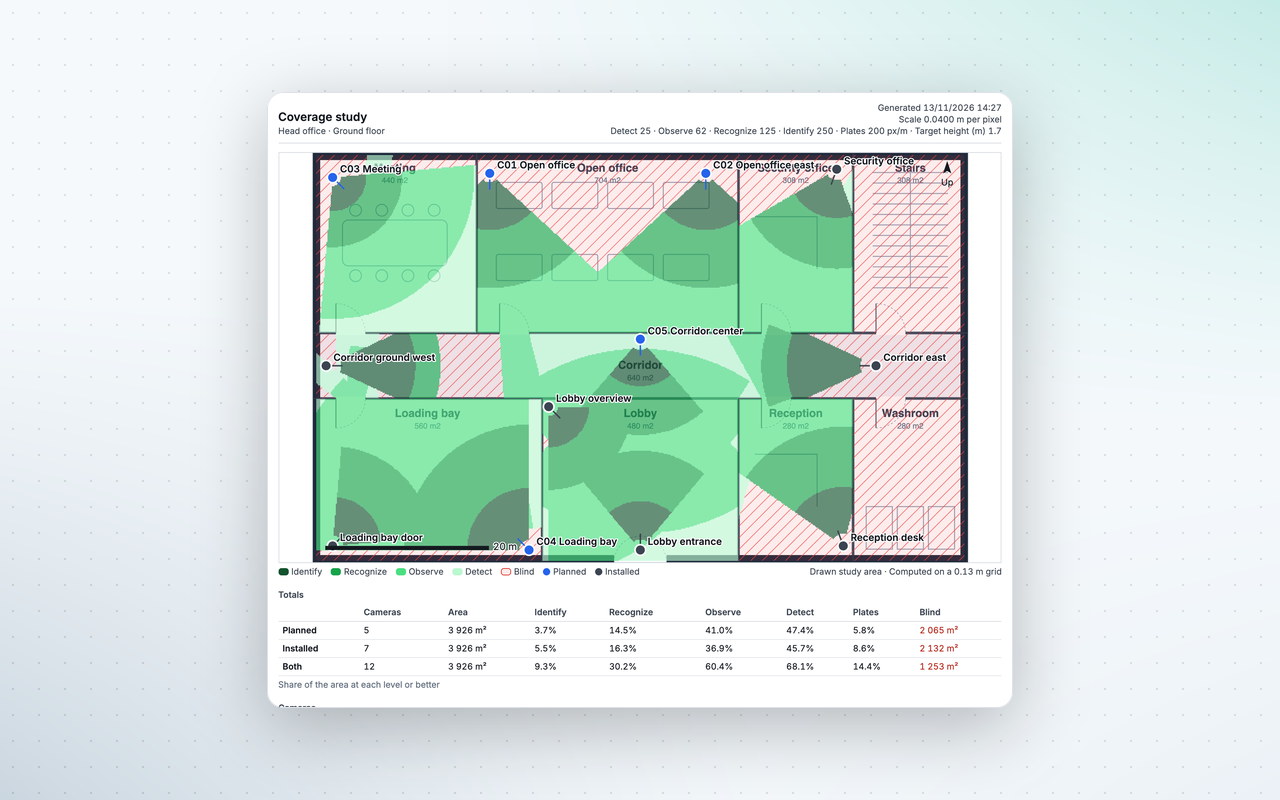
Planning the cameras of the new yard
Before cameras are bought for a new silo yard or a second barn, coverage is planned on the site drawing: where each camera would stand, what it would detect, observe, recognize or identify, and where the blind spots are. The study prints for the quote and for the comparison between suppliers.
Once installed, the cameras are compared against the plan, so a camera mounted elsewhere than planned shows up at handover and not after the first incident.
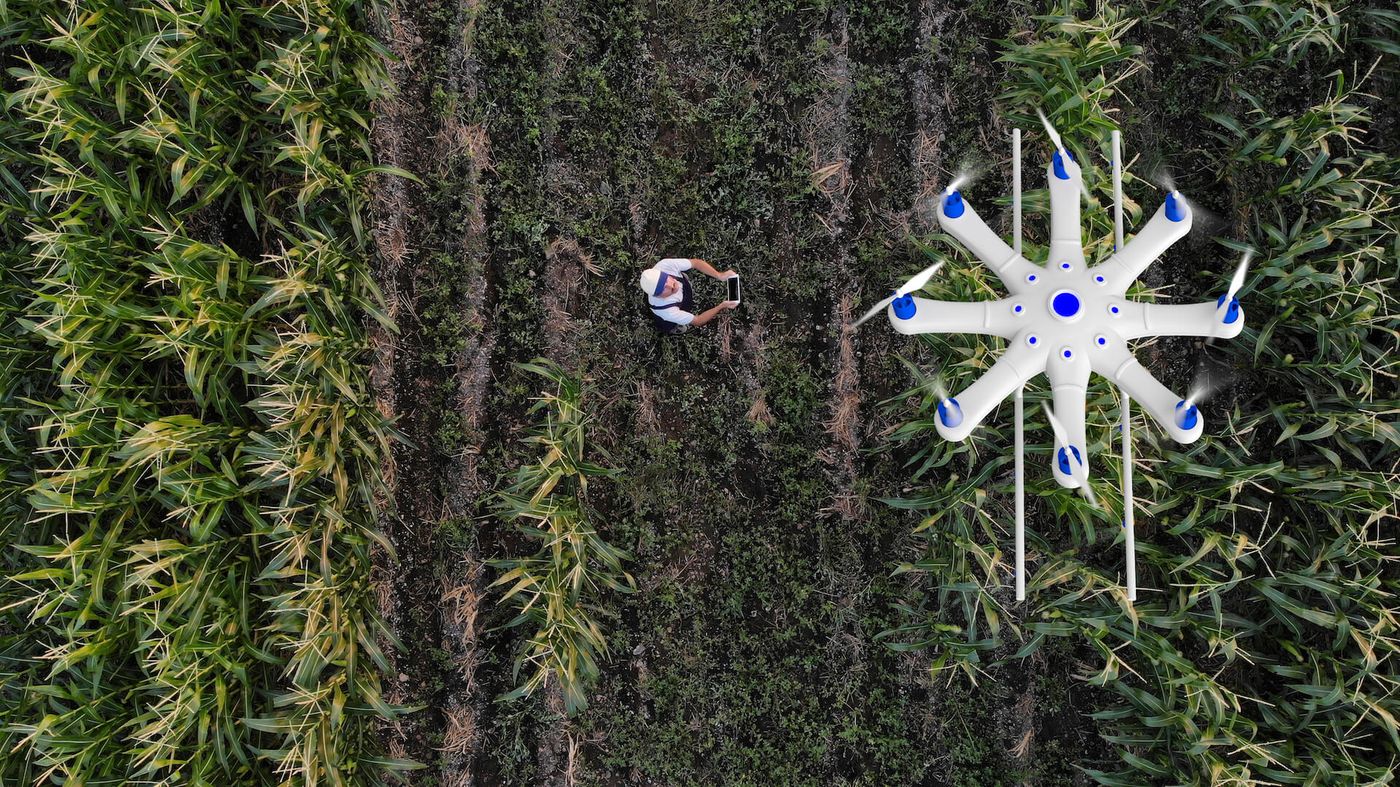
Remote sites and weak connections
An engine installed at the site keeps working on its cached configuration when the link to the platform drops and delivers its detections once the connection returns. Each count carries a coverage figure, so a gap in the footage is shown as a gap.
Agriculture use cases
Deployment options
Sentra runs on a server you own, inside the farm office or your data center, or hosted by Sentra. The pages, the rules and the retention are the same in both cases.
Capabilities on this page: Map, Access Control, Zones and Rules, AI Detection and Alerts, Sensors, Counting, Assistant and Shift Handover, Investigations, Coverage Planning, Reports and Audit.
See it on your own cameras
A demo can run on your cameras or on a Sentra demo site, self hosted or hosted by Sentra. Tell us which events and figures you need, and we prepare it.